
SIGMA 35mm F1.4 DG II Art (Ambassador)
When Art does not automatically mean huge
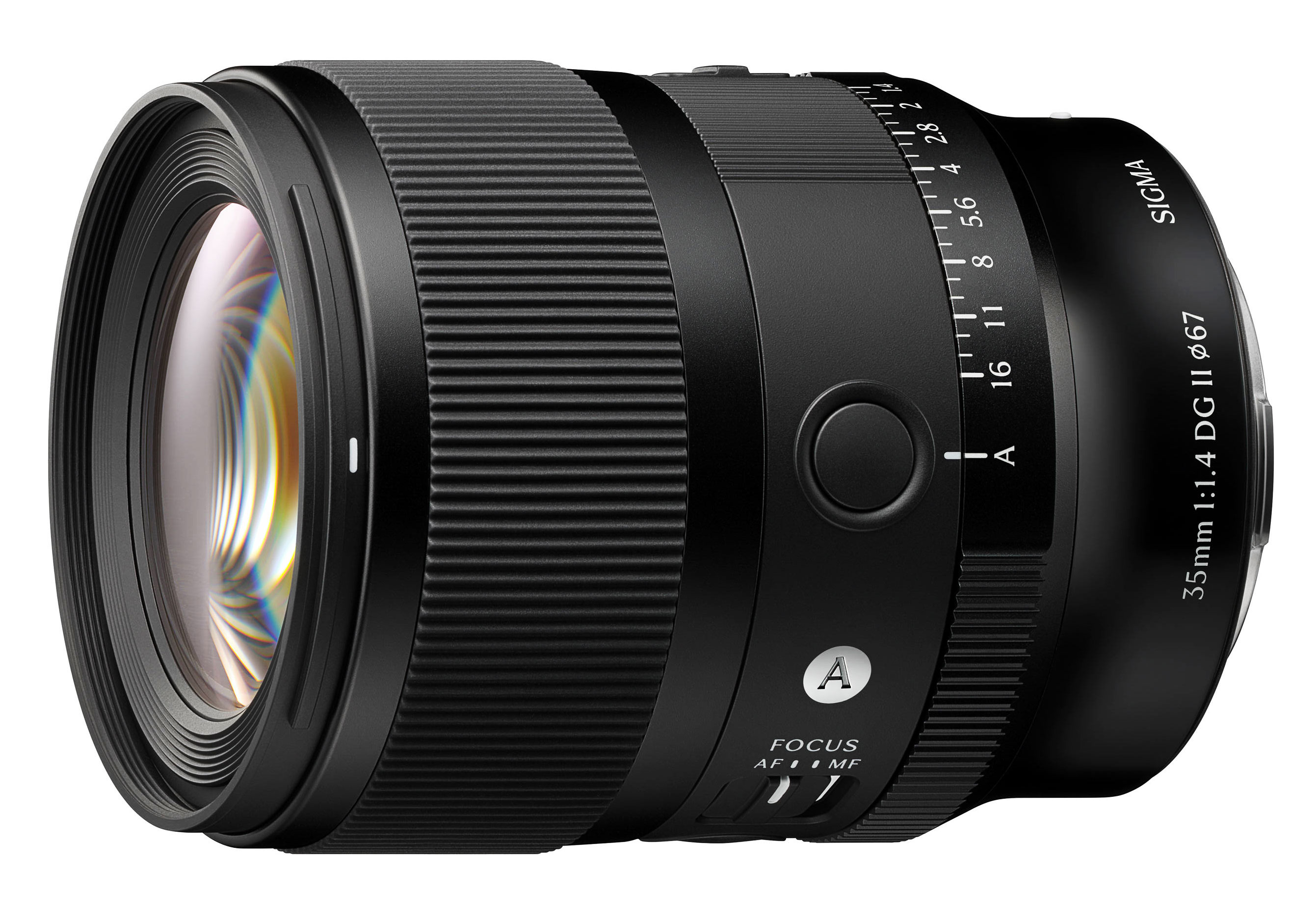
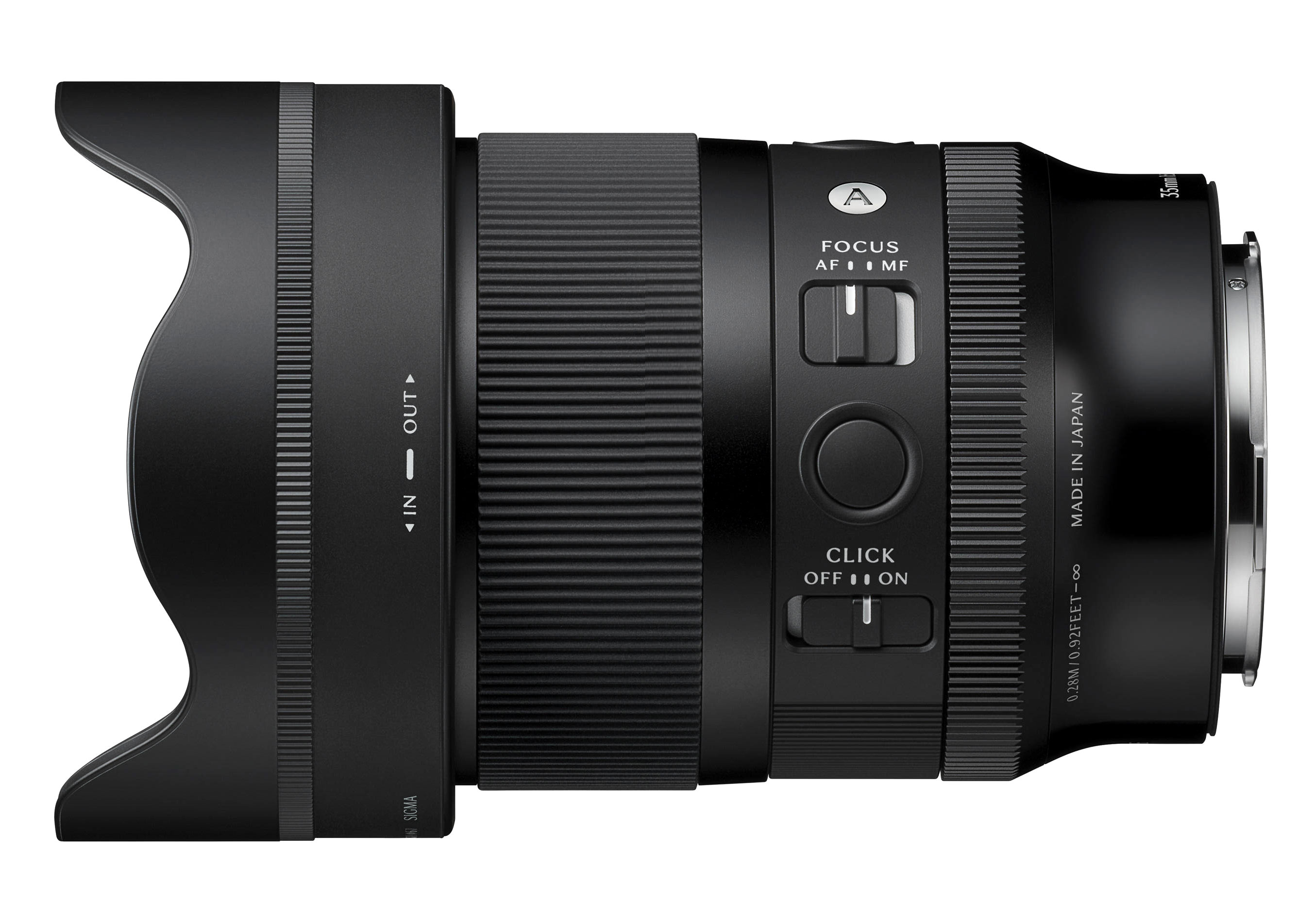
When I think of a SIGMA Art lens, two things come to mind: performance and size. The 14mm F1.4, the 28-45mm F1.8 and other lenses in the range make no effort to hide the amount of glass inside them. The 35mm F1.4 DG II Art is genuinely compact instead: 525 grams in Sony E mount, a 67mm filter thread and a footprint that does not force me to leave a second body or a motion controller at home.
For a landscape photographer, that matters. A 35mm prime usually enters the bag as an extra lens, not as the only choice. If it takes up half the bag, it stays at home. This one does not. I can carry it alongside the 14mm and reach for it when the scene needs a less extreme language.
Why 35mm
When I use a 24-70mm, I often end up somewhere between 30 and 40mm. Five millimetres can be offset with a step forwards or backwards, but focal length is not just about cropping. It changes the relationship between planes and, as a result, the look of the image.
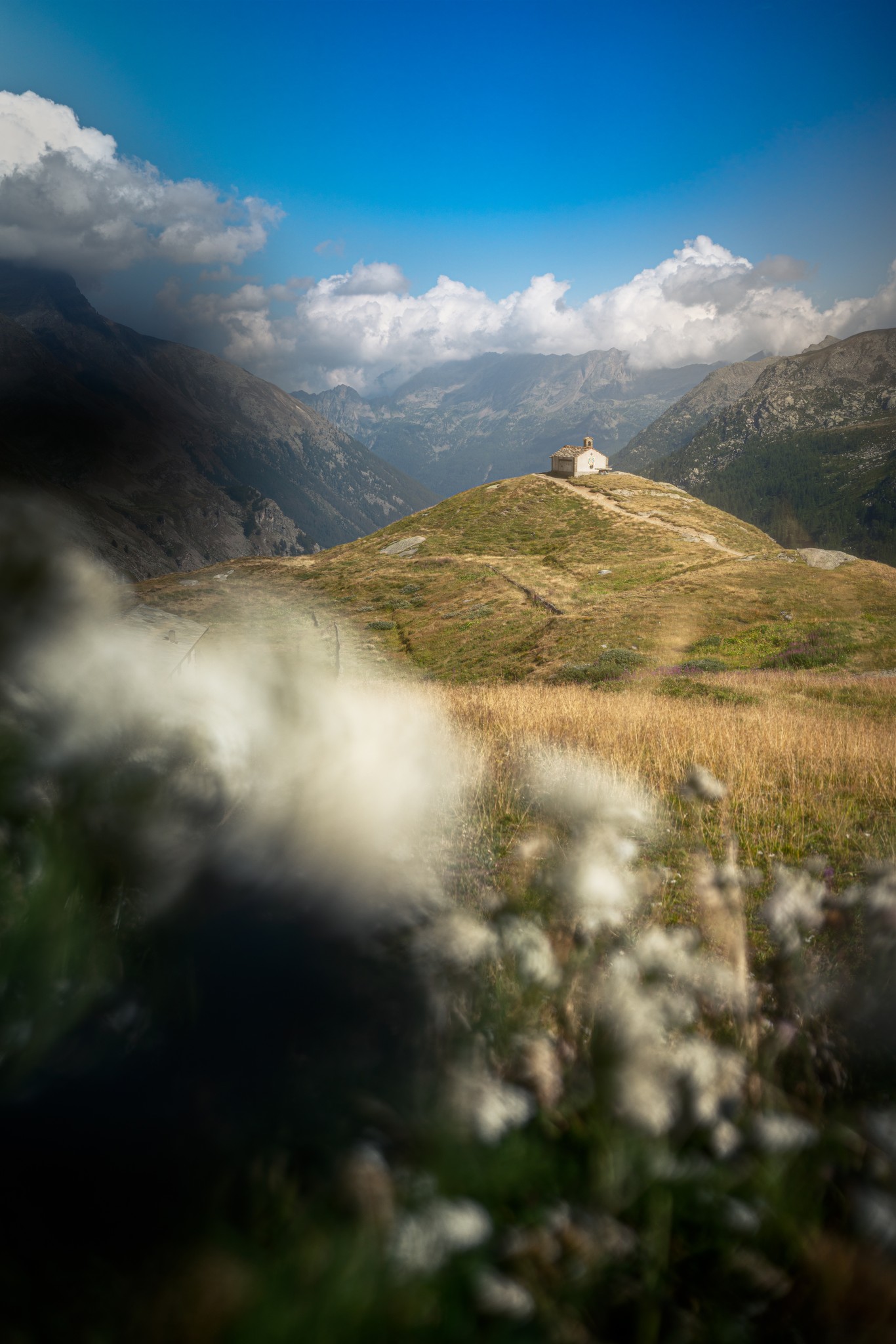
A 35mm does not exaggerate the foreground like a 14mm and does not flatten the scene like a telephoto. It is tight enough to bring order to what is in front of me while retaining context. If I photographed a path and a chapel at 14mm, the path would become enormous and the chapel tiny in the distance. At 35mm, their relationship stays more natural. It is not a better photograph, just a different way of telling the same story.
| Focal length | Effect on the planes | When I would choose it |
|---|---|---|
| 14mm | Exaggerates foreground and depth | Immersive landscapes, wide skies and strong perspective |
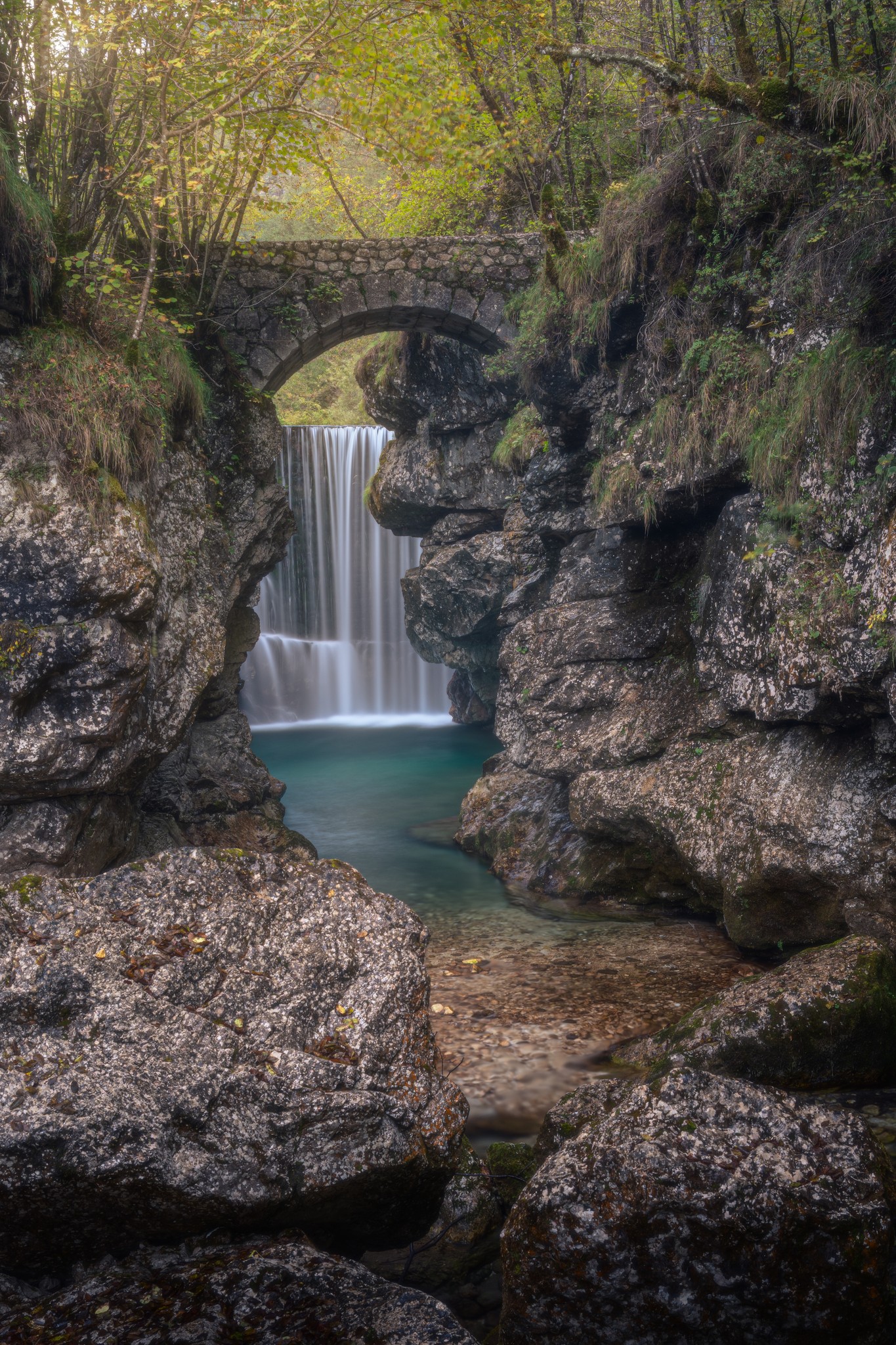
| 35mm | Organises the scene with natural compression | Paths, woodland, buildings in the landscape and a more prominent Milky Way |
| 70mm | Compresses and isolates | Details, ridges and distant subjects |
F1.4 in broad daylight too
Being a landscape photographer does not mean working at F11 all the time. At F1.4 I can keep one element sharp and let the rest fall away, use an out-of-focus foreground or separate a subject from dense woodland. If there is too much light, I use an ND filter. Filters enter my bag before the camera body does, so that is hardly an obstacle.
This aperture lets me build depth differently from an ultra-wide lens. With the 14mm I create it by stretching the relationship between near and far. With the 35mm I can use focus instead, without making the foreground enormous.
A more prominent Milky Way
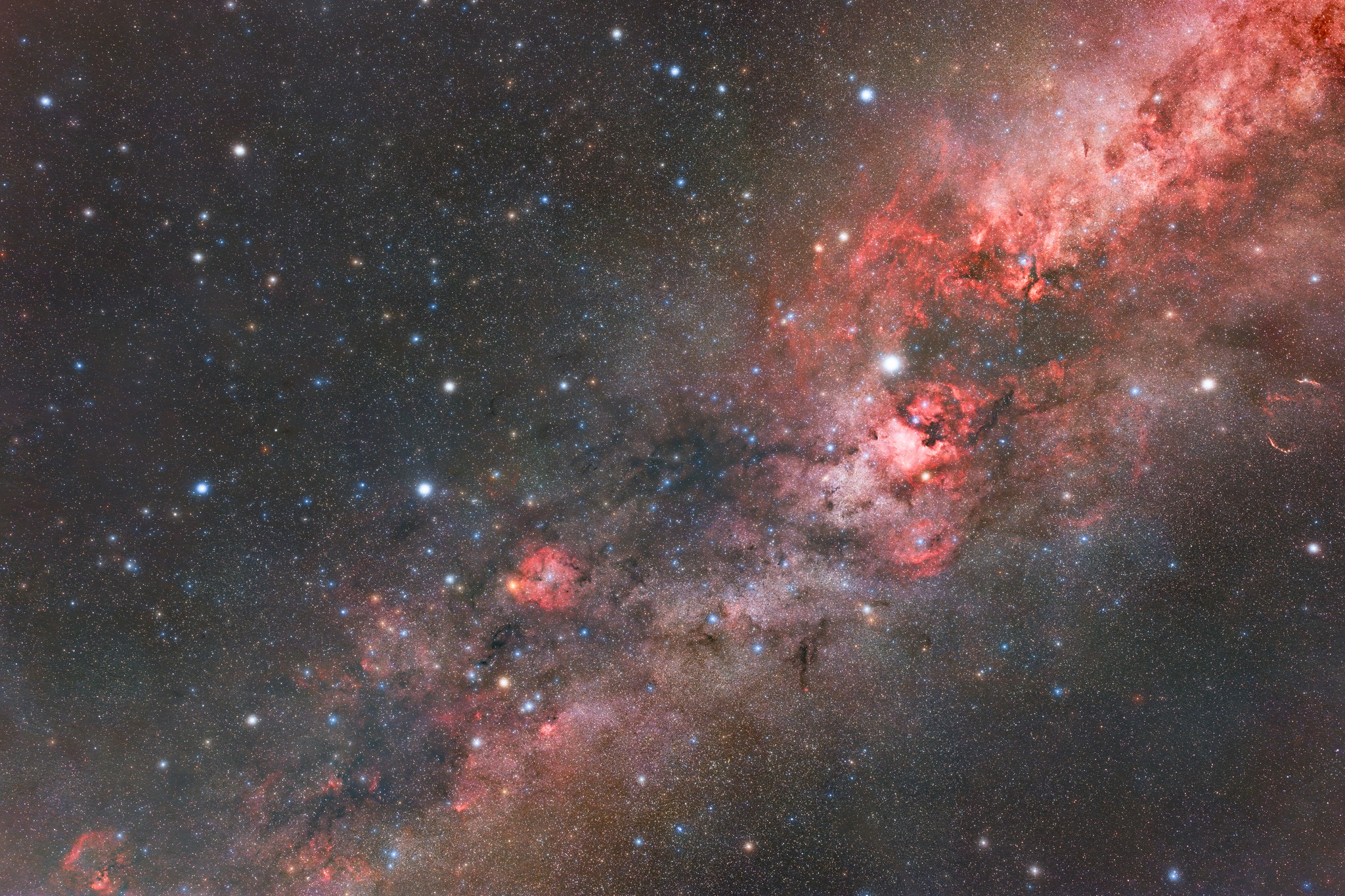
For astrophotography, 35mm renders the Milky Way larger and with more detail than an ultra-wide. It also demands more care. If I combine sky and ground, both parts must share a consistent perspective and focal length. I can photograph the foreground at 35mm or build a panorama with a compatible framing. Simply pasting a larger sky over a scene shot at 14mm does not work.
The decisive point is that this lens can genuinely be used at F1.4. In my star test, coma remained very well controlled even towards the corners. I do not have to buy an F1.4 lens only to stop it down to F2 immediately. That is the difference between a number printed on the barrel and an aperture I can use in the field.
Body, controls and speed
The Mark II uses a dual HLA motor, and focusing is fast and quiet. It has two AFL buttons, an aperture ring, a de-click switch and a lock. The hood has a proper locking mechanism. These are ordinary details on a professional tool, but they remove small annoyances in the field.
Size is still the specification I care about most. A prime makes sense in a landscape photographer's bag when it offers something extra without taking space away from the equipment I actually need. The 35mm F1.4 DG II Art manages that.
✅ PROS
- Compact and light for the performance it delivers
- F1.4 remains usable in star tests
- A natural perspective, different from my usual ultra-wide view
- 67mm filters and manageable weight
- Dual HLA autofocus and a complete set of physical controls
❌ CONS
- It cannot replace a wide-angle lens when the scene needs width
- Like any prime, it asks you to choose the focal length before shooting
- For me it remains an additional lens, not the centre of the kit
Does it make sense in a landscape photographer's bag?
For me, yes. Not because 35mm is a magical focal length, but because it stops me from building every image with the 14mm. I have to read the planes differently, decide what to leave out and accept a scene that feels less exaggerated.
Its compact size also avoids the most boring question: “What do I have to leave at home to bring it?” I can put it in the bag, use it when the right scene appears and still carry the rest of my kit. For a lens that also helps me step outside my comfort zone, that is probably its most practical strength.