
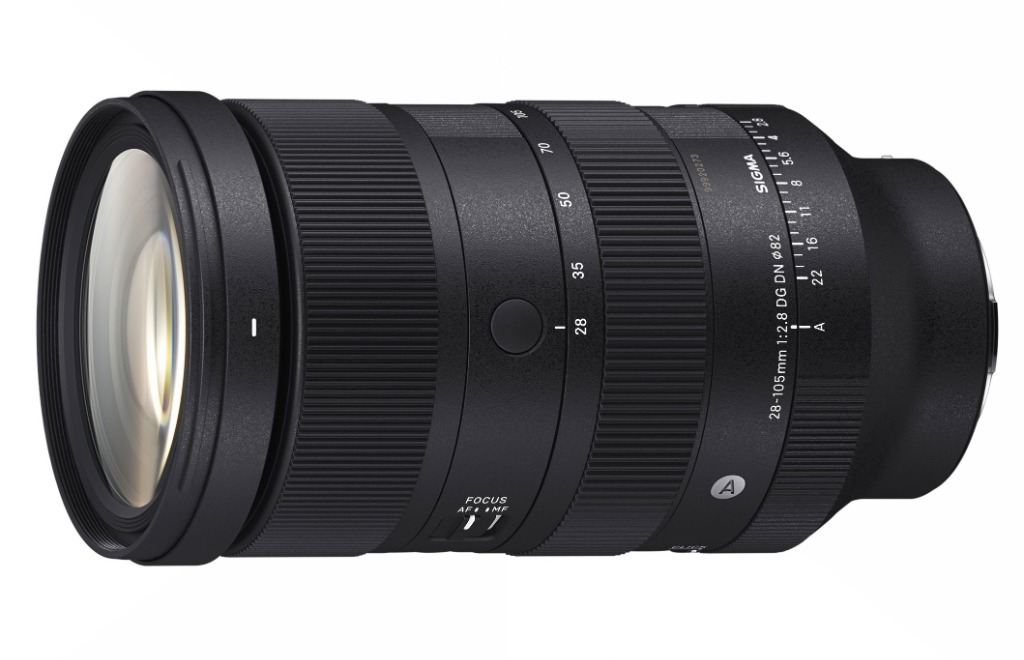
SIGMA 28-105mm F2.8 DG DN Art
The historical dilemma: light or excursion?
In the world of professional photography, for decades there has been a crossroads that has forced entire generations of photographers to make compromises: prefer the brightness of a 24-70mm F2.8, sacrificing the extension on details, or choose the versatility of a 24-105mm F4, but giving up a whole stop of light and that separation of the planes that makes the difference when evening falls?
With the SIGMA 28-105mm F2.8 DG DN Art, SIGMA has shuffled the cards with a courageous proposal: giving up 4mm on the wide-angle side to push up to 105mm while maintaining the constant aperture of F2.8 su tutta l'escursione.
On paper, it seems like squaring the circle. But to honestly evaluate this lens, we need to split the analysis into two completely different levels: wedding photography and landscape photography. The same characteristic, in fact, takes on diametrically opposed weight depending on the context in which one works.
In weddings: the Holy Grail of the ceremony photographer
I will start with the setting where this lens made the strongest impression on me: weddings and events. Landscape and astrophotography are still my main work, but I also photograph a small number of weddings during the summer.
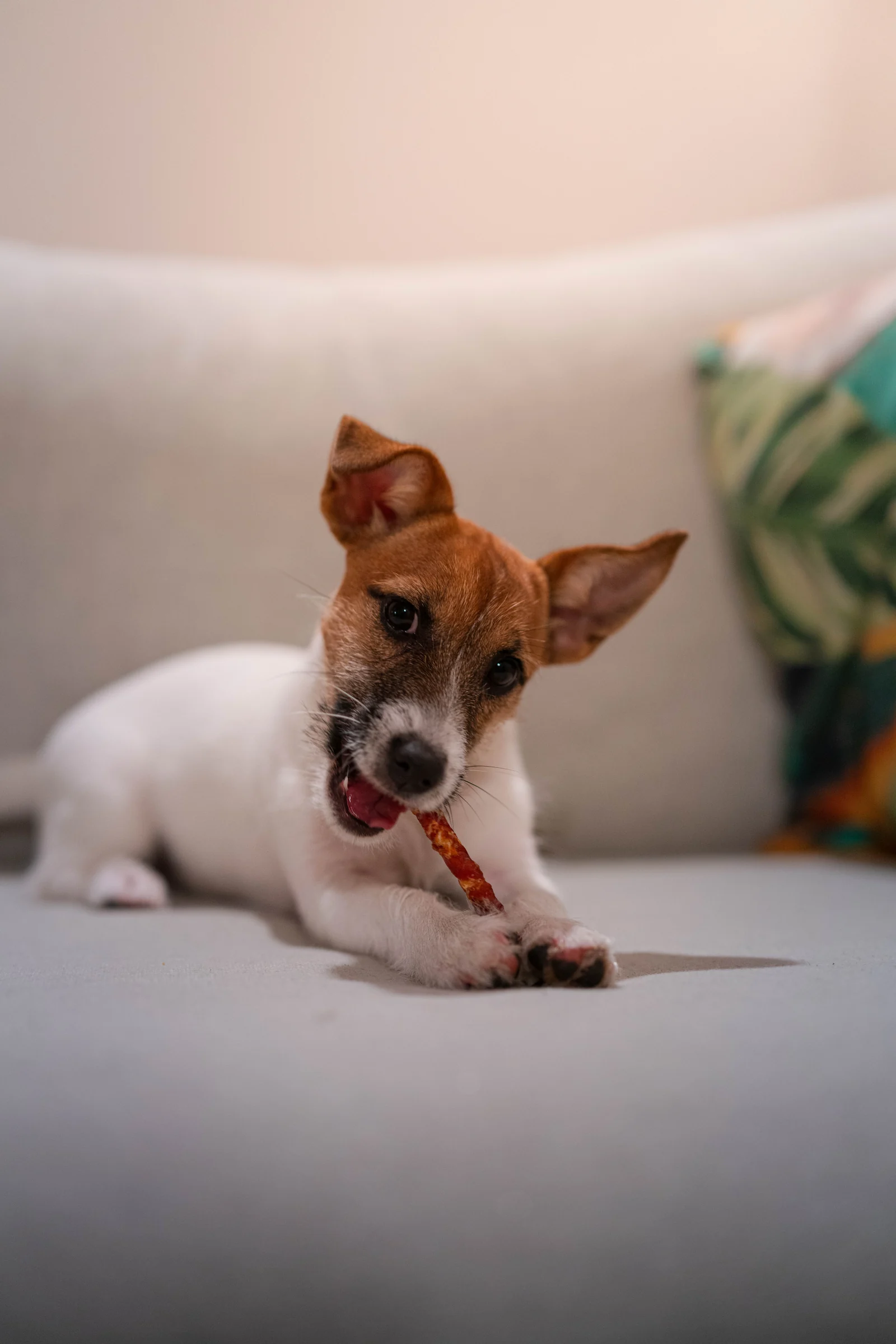
In a wedding, the 28-105mm F2.8 is as close as you can get to a perfect lens. During a church ceremony or an outdoor reception, I never really missed those 4mm between 24 and 28mm. Conversely, being able to switch in a fraction of a second from a 28mm wide shot to a tight close-up of an emotion at 105mm — while still maintaining the f/2.8 aperture — represents a devastating operational advantage.
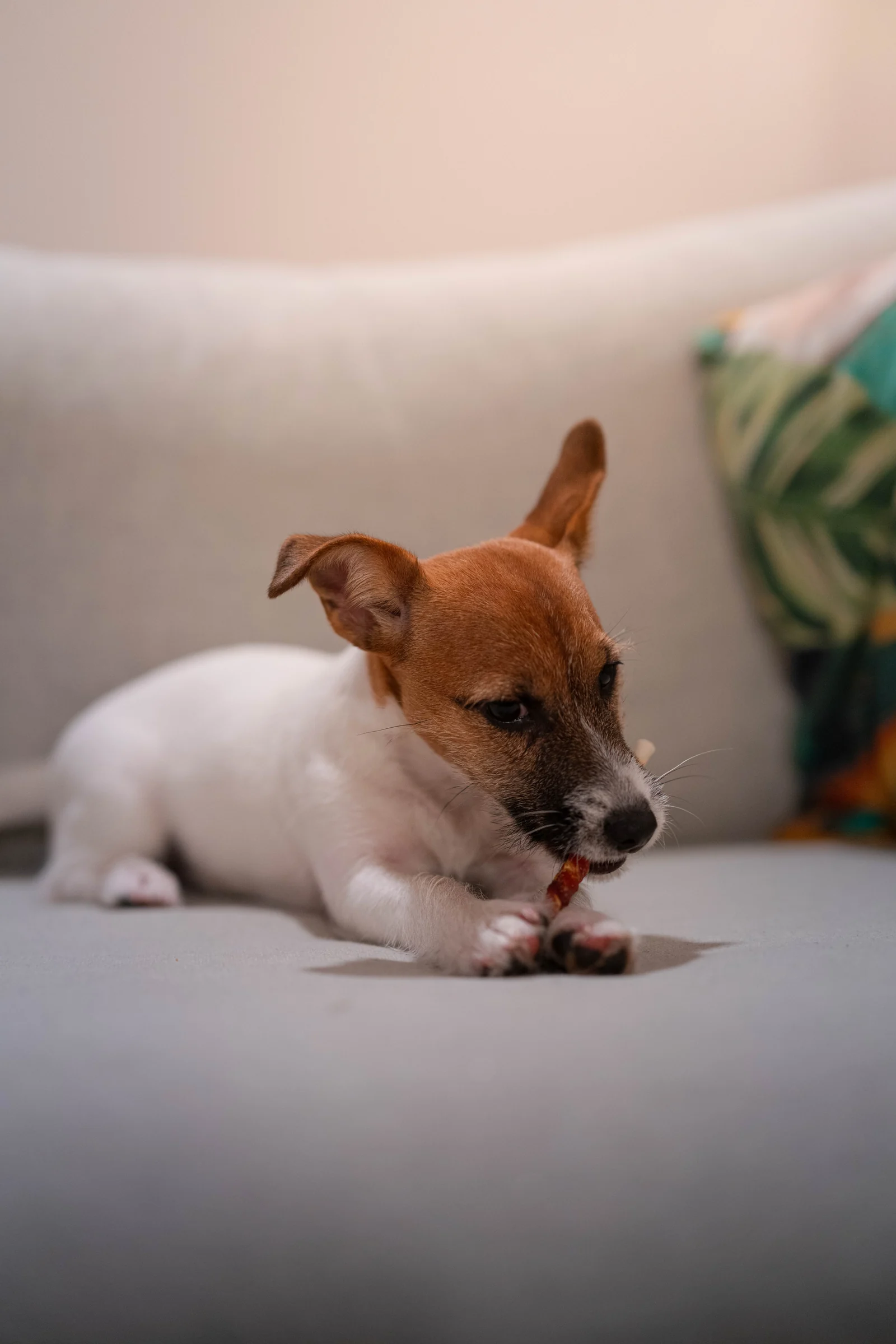
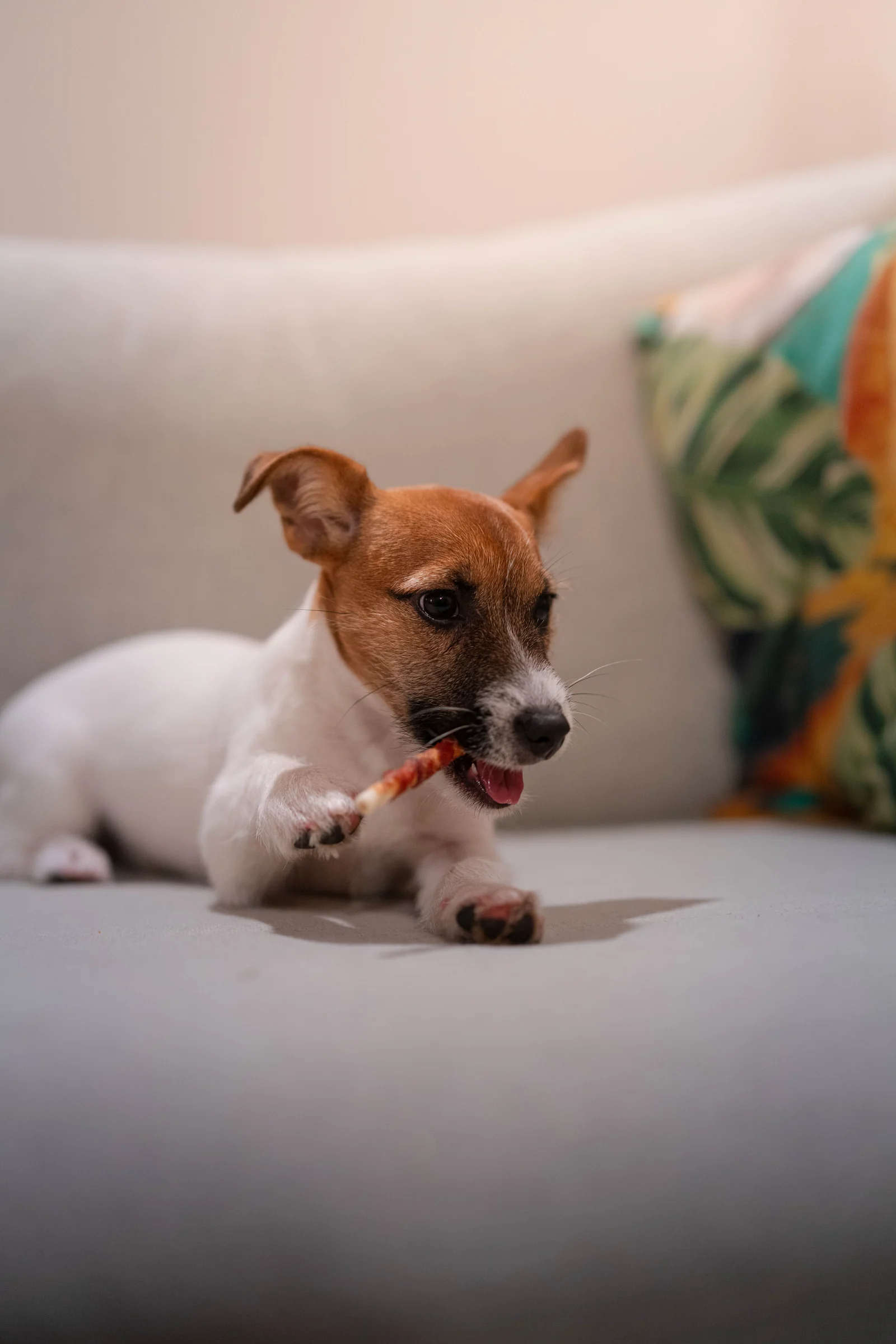
At 105mm at F2.8 the bokeh is creamy, the subject stands out from the background with the elegance of a prime telephoto lens and not even a key moment is missed when changing lenses. In wedding reportage it truly is the 'Holy Grail': a single camera body with this lens mounted covers 85% of the entire day.
In landscape: when 4 millimeters make the difference
When we move to my chosen terrain, landscape photography in natural and mountainous environments, the perspective changes radically.
Having a zoom range of up to 105mm at F2.8 is undoubtedly fascinating for isolating rock formations or plays of light between valleys. But for my way of composing, the limit lies exactly in that 28mm instead of 24mm. Four millimeters on paper seems like a negligible nuance; in landscape photography in the field, it represents an abyss.
At the 28mm wide-angle end there is a slight controlled distortion which helps to give the illusion of a slightly more open field, but it cannot compensate for the loss of breath and dynamism in close-ups that only a true 24mm can guarantee.
📊 Tabella: Confronto Tecnico & Pratico: 24-70mm II vs 28-105mm
| Caratteristica | SIGMA 24-70mm F2.8 II Art | SIGMA 28-105mm F2.8 Art |
|---|---|---|
| Escursione Focale | 24-70mm (Grandangolo vero + Medio Tele) | 28-105mm (Grandangolo moderato + Tele spinto) |
| Maximum Brightness | F2.8 costante | F2.8 costante |
| Weight and Transport | Approx. 745g (Balanced for trekking) | Circa 995 g (Impegnativo su lunghe camminate) |
| Philosophy of Use | Ideal in landscape and trekking kit | Unbeatable in weddings, reportage and events |
The real crux: should I consider a single lens or a complete kit?
The optical performance of the 28-105mm Art is impressive: edge-to-edge sharpness, impeccable contrast and lightning-fast HLA autofocus. But a lens does not live isolated on a laboratory optical bench: it lives inside the real photographer's backpack.
Let's imagine a typical outing I do: hours of hiking with a steep climb, a carbon tripod, a high-resolution camera body, filters, and thermal clothing. In this scenario, I clearly prefer the 24-70mm F2.8 Mark II.
Why? The 35 millimeters I lose on the long side (from 70 to 105mm) I can mostly recover by cropping the 60-megapixel sensor. But the 4 millimeters lost on the short side (between 24 and 28mm) you can't recover by stepping back if you have a ravine behind you or if the foreground perspective collapses. Add to this the 250 grams less weight and the smaller volume of the 24-70mm, and it becomes a natural choice for the traveling landscape photographer.
Pros and Cons
The build quality belongs to the most prestigious Art line: smooth and precise dials, dedicated AFL buttons, zoom lock and complete weather sealing against dust and humidity. The 82mm filter diameter maintains compatibility with standard professional accessories.
✅ PRO
- Focal range 28-105mm with constant F2.8: an absolute novelty on the market
- Resa ottica straordinaria at full aperture at both 28mm and 105mm
- Ultimate lens for weddings and events: eliminates the need to change lenses
- Soft and progressive bokeh with extraordinary subject separation at 105mm
- Autofocus HLA silent, responsive and very precise
❌ CONTRO
- Missing 24mm which makes itself felt concretely in the broad landscape
- Close to one kilogram (995g) worth considering on long hikes
Conclusioni
The SIGMA 28-105mm F2.8 DG DN Art is a masterpiece of optical engineering. The conclusion, however, must be honest and nuanced: a lens should never be judged in the abstract, but within the type of photography we do every day.
If I were a full-time wedding or reportage photographer, this would be the first and perhaps only lens I would purchase without hesitation. For my main work as a landscape photographer and mountain workshop guide, the 24-70mm F2.8 Mark II remains more consistent with my needs for lightweight and wide-angle viewing angle.
Understanding your gear means just that: not looking for the "perfect fit for everyone" lens, but the exact instrument that responds to your way of seeing the world.