
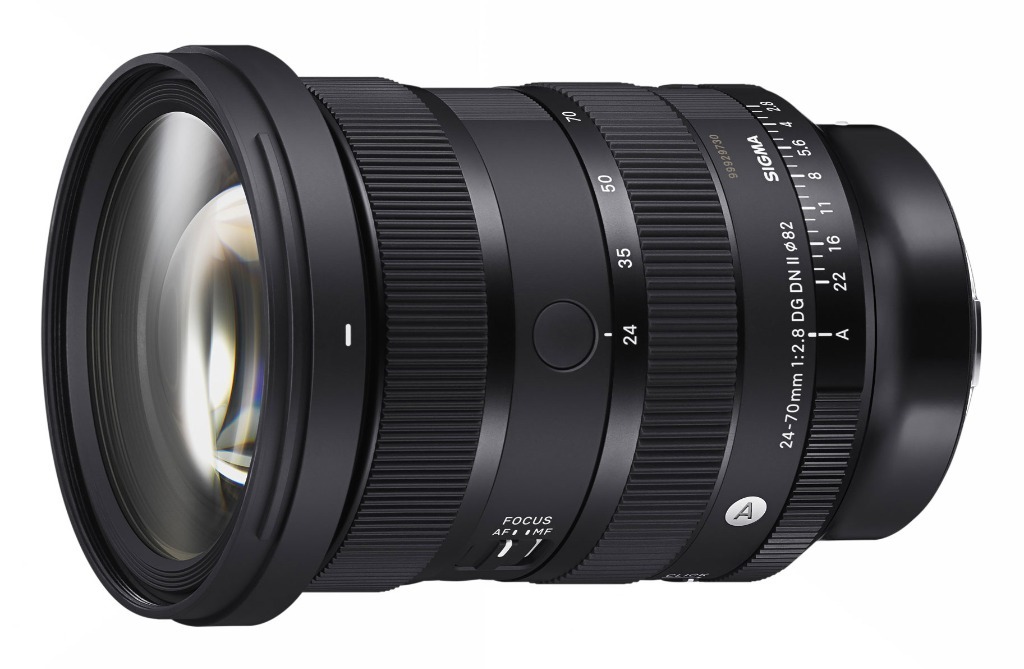
SIGMA 24-70mm F2.8 DG DN II Art
The fundamental contradiction
Anyone familiar with my work, or who has joined me in the field, knows that I naturally see scenes at 14mm. That wide view is how I frame leading lines, large Alpine walls and the arc of the Milky Way above a landscape.
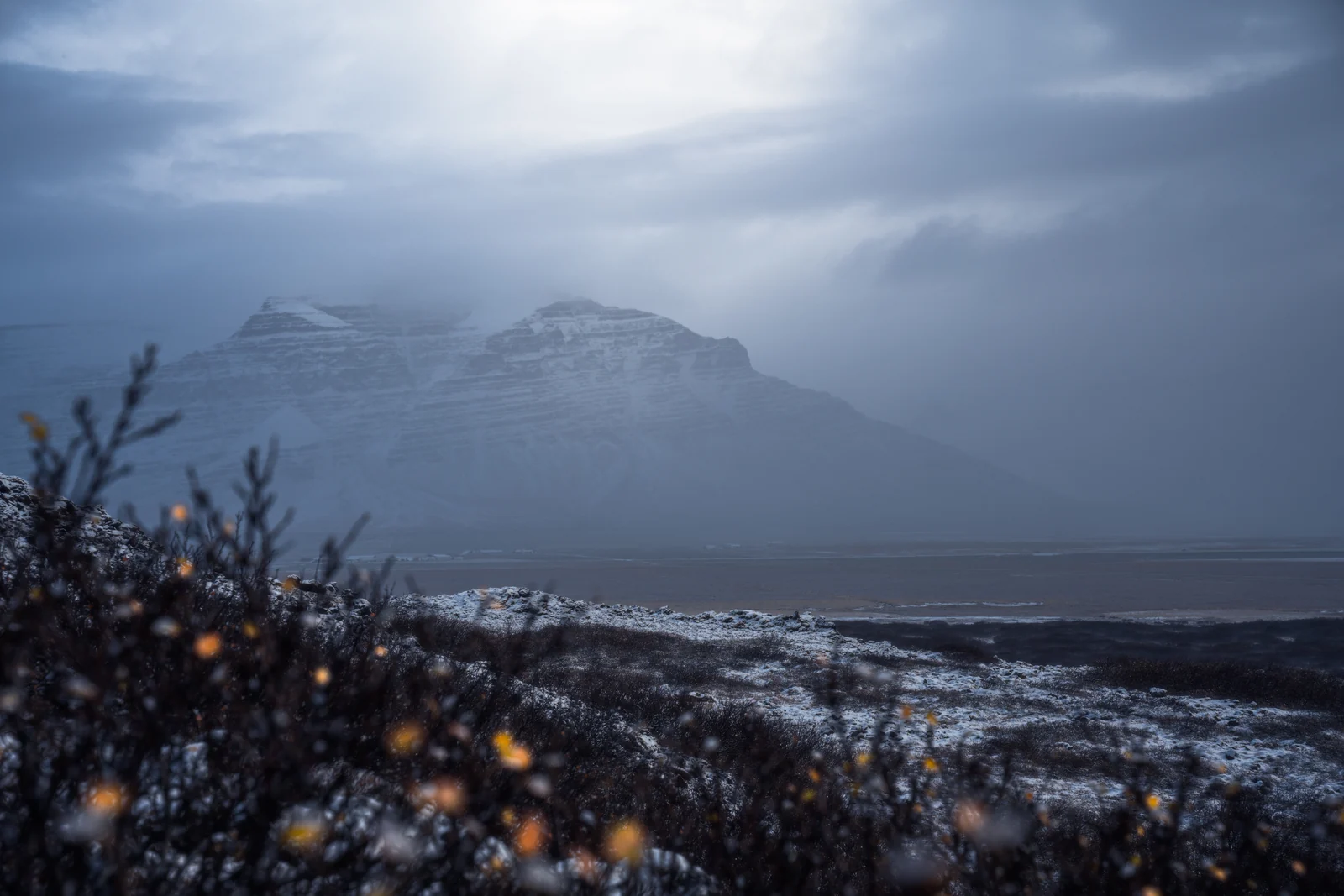
Yet, every time I prepare the technical backpack for a photo session — be it a challenging trek at high altitude, a crossing in Iceland or a workshop in the autumn mists — there is an automatic gesture that I make before touching any other lens: taking the SIGMA 24-70mm F2.8 DG DN II Art and place it in the main compartment.
It may seem like a paradox, but it isn't at all. The 24-70mm has always been considered the classic standard zoom, the workhorse par excellence. Some photographers even go so far as to call it "boring", precisely because it is the common choice of anyone who takes professional photographs. But in the field, the reality is diametrically opposite: it is the only lens that guarantees you, in any light, weather or compositional condition, take home the shot.
Why the second generation changes the rules
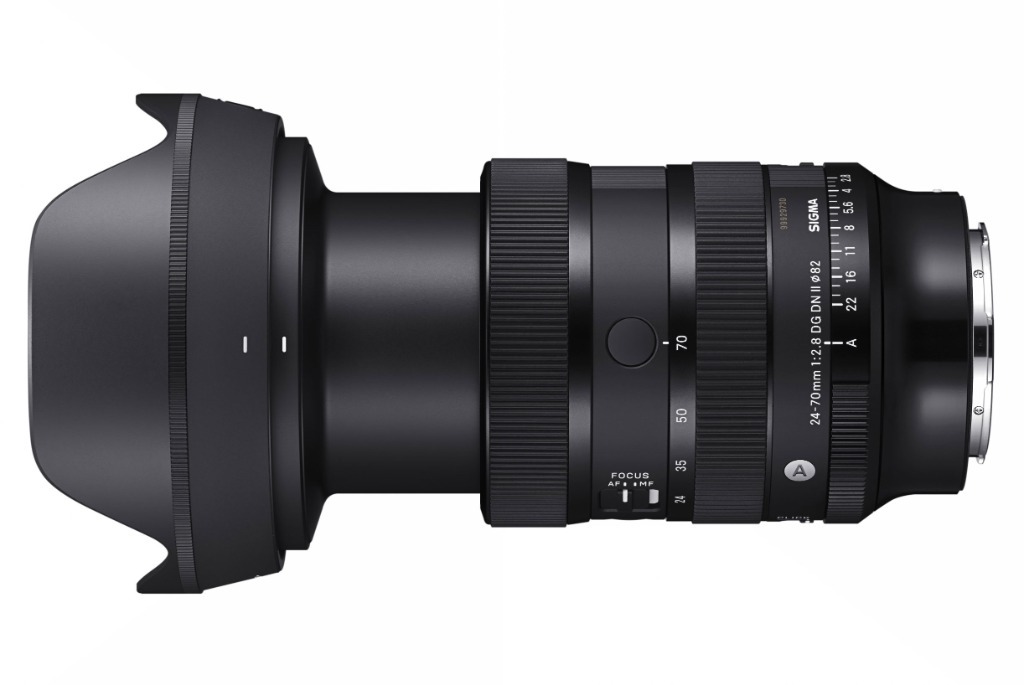
The first version of the 24-70mm DG DN Art was already an excellent lens, but the Mark II series is not a simple cosmetic restyling. SIGMA has redesigned the entire optical and mechanical architecture, integrating high-speed HLA (High-response Linear Actuator) linear actuators, adding a physical aperture ring with a de-click switch and safety lock, and introducing a second customizable AFL button.
Sharpness and micro-contrast have been pushed to the maximum levels throughout the entire focal range. But I'm not interested in doing a lab review or evaluating a lens solely through MTF charts: what really matters is how this quality translates into the texture of the image and the pace of work when your hands are frozen or the light changes in the space of thirty seconds.
📊 Table: Focal Range & Workflow Applications
| Focale | Field Angle (Diagonal) | Role in My Way of Working |
|---|---|---|
| 24 mm | 84.1° | Landscape setting, immersive close-ups with strong three-dimensionality and dynamic perspective |
| 35 mm | 63.4° | Storytelling on the field, travel reportage, natural balance between subject and context |
| 50 mm | 46.8° | Environmental portraits of expedition companions, neat compositions and clean geometries |
| 70 mm | 34.3° | Isolation of ridges, mountain peaks and distant details, with additional in-camera crop margin |
Personality in 24mm: when a 'defect' becomes a character
There is one specific aspect that emerges when analyzing the behavior at 24mm. At this extreme focal length, the SIGMA 24-70mm II exhibits noticeable geometric distortion for a lens of this class before the correction profile is applied. In a sterile technical sheet, this would be dismissed as a compromise to be corrected via software.
In my field experience, however, this feature has proven to be estremamente utile fotograficamente. The rendering at the edges at 24mm gives an unusual perspective thrust, a sense of three-dimensionality and immersion that makes the shot almost seem as if it had been shot with a wider wide angle lens than a standard flat 24mm.
This is exactly what I mean by "personality". The SIGMA 24-70mm Art II is not a cold, surgical lens designed to be aseptic: it has a recognizable image texture, organic contrast, and a tonal transition between highlights and shadows that enhances the textures of rock, wet bark, and moving water.
The long side at 70mm and the power of the crop
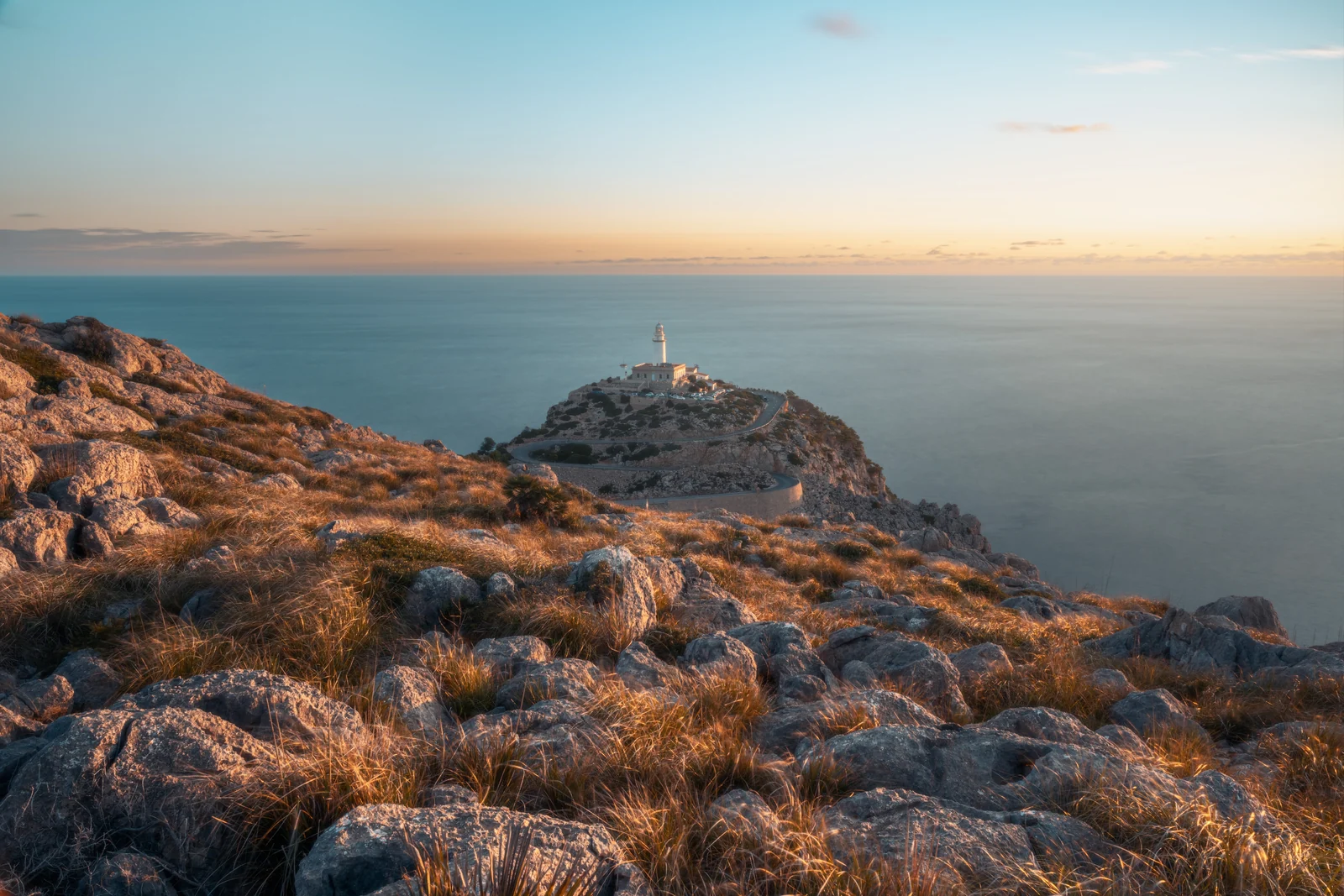
Going to 70mm wide open at F2.8 allows you to enter a completely different dimension: isolating a waterfall between the gorges, compressing the undulations of the hills or capturing the profile of a distant mountain illuminated by the last ray of sun.
When working with modern, high-pixel-density sensors (such as those with over 60 megapixels), 70mm isn't the ultimate limit. The reserve of sharpness in the center is so high that I can perform a 1.5x crop in camera or in post-production, obtaining the frame of a 105mm equivalent with a quality and detail that remains perfect for large-format Fine Art prints.
This means you can travel light on an ascent without having to carry a dedicated telephoto lens in your backpack unless the session explicitly requires it.
Backlight rendering, sunstar and night highlights
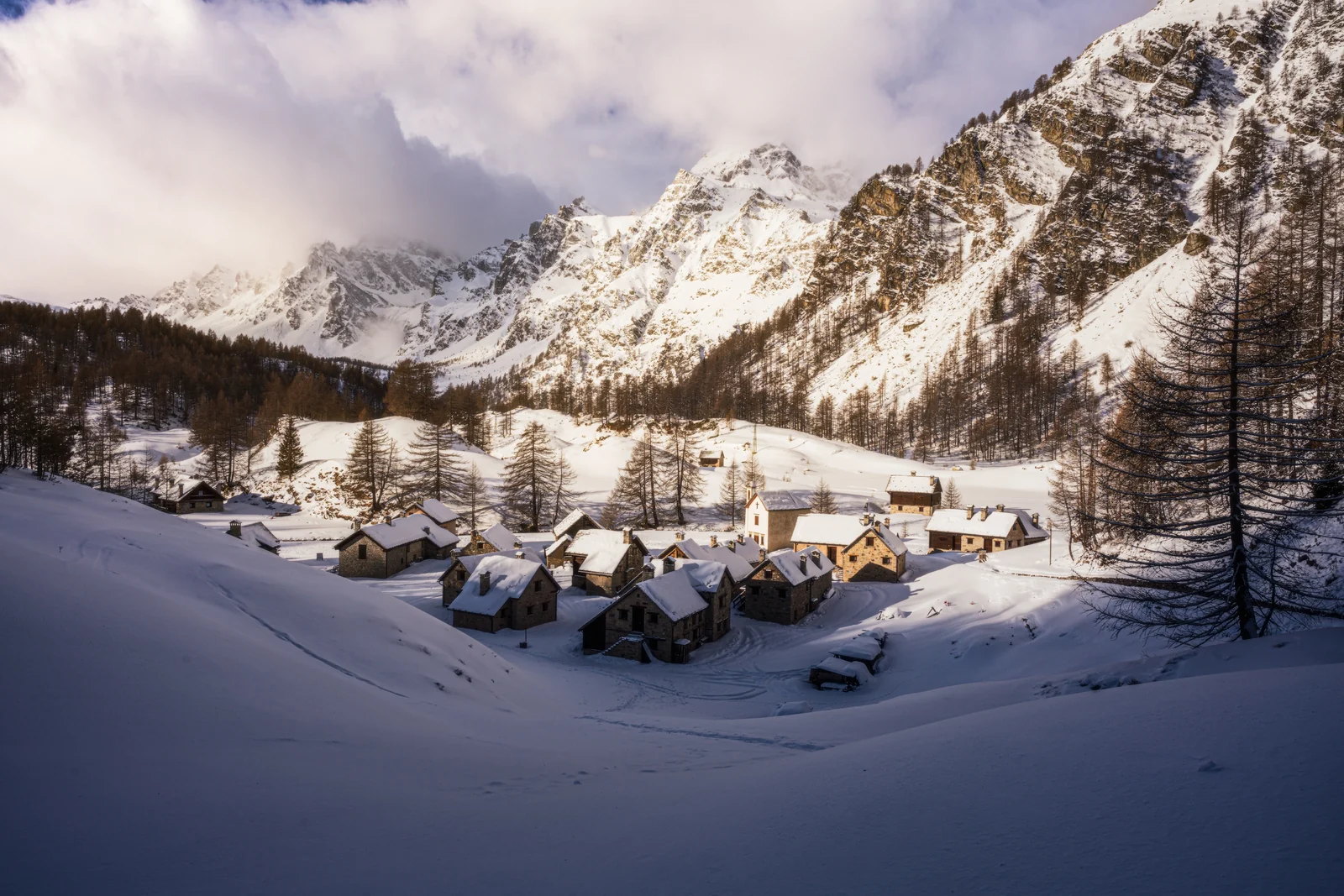
During dawn and dusk sessions, the management of backlighting is exemplary. The rounded 11-blade diaphragm produces a clearly defined and clean sunstar already at f/11, without the doubling or messy smears that often ruin the frame in complex zoom lenses.
And when night falls? While my go-to for extreme astrophotography remains the 14mm F1.4, having a 24mm at F2.8 with well-corrected coma and pinpoint stars across much of the frame makes the 24-70mm II a great backup or transitional solution for capturing nightscapes and glimpses of the Milky Way when traveling with just one lens.
Ergonomics, weight and management in the backpack
If we have to find a critical point, 24-70mm F2.8 zooms have historically been bulky and heavy lenses. Compared to the first generation, SIGMA has managed to shave approximately 10% of the weight (down to 745g) and reduce the overall length.
It's not a pocket-sized lens, and there's no point in pretending so. But when you're walking for hours with a backpack on your shoulders, those fewer grams and the shift in center of gravity toward the mount are definitely noticeable. The 82mm front thread is the professional standard that allows you to share polarizing filters and ND plates without annoying mechanical vignetting.
✅ PRO
- Extremely high sharpness and contrast across the entire range already at F2.8
- 24mm Personality which gives great three-dimensionality and immersion
- Autofocus HLA lightning fast, silent and impeccable in tracking
- Ergonomia rinnovata with physical aperture ring, double AFL button and reduced weight
- Costruzione tropicalizzata robust and reliable in all weather conditions
❌ CONTRO
- Distorsione a 24mm avvertibile before software fix profile
- Diametro filtri da 82mm which requires dedicated filters of generous size
Conclusioni
This brings me back to the contradiction at the start of the review. I still love the extreme wide angle and the way a landscape looks at 14mm. But working in the field also means dealing with sudden changes in light and moments when there is no room or time to change lenses.
The SIGMA 24-70mm F2.8 DG DN II Art isn't just a "safe" lens: it's a tool with character, capable of delivering the excellent image quality of a prime lens with the flexibility of a universal zoom. And that's why, before any other choice, it's always the first to end up in your backpack.
If you want to test it with your own eyes during one of our field trips, in my workshops there is always space to mount it on your camera body and understand concretely how it responds.