
SIGMA 15mm F1.4 DG DN Diagonal Fisheye Art
The fisheye that makes you want to use it
A fisheye is the sort of lens you might buy out of curiosity, use for a few unusual shots, then leave in the bag. Curved lines are fun, but that alone won’t make me reach for it. I want images that hold up when I open the files and look closely.
That’s what happened with the SIGMA 15mm F1.4 DG DN Diagonal Fisheye Art. I checked the edges and immediately wanted to take it out again. Image quality is excellent, right into the areas where I expected it to fall short.
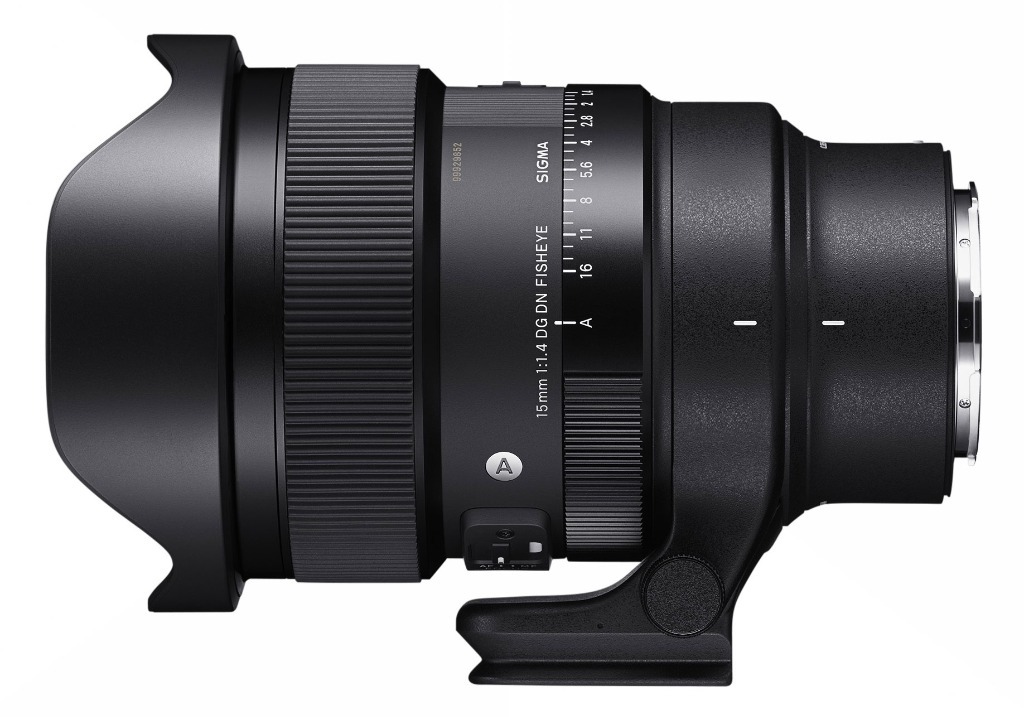
It’s big. It’s heavy. You feel it in your bag. But when I get home and open the files, I know why I brought it.
The curves stay. So does the detail.
A fisheye bends straight lines. That is the projection you choose when you mount one. But curved lines are no excuse for a poorly resolved image. Geometry and detail are different things.
This is where the 15mm surprised me most. In the photographs I have taken, the detail near the edges is remarkable. Shapes bend, but fine textures remain clearly defined. I am not left with an attractive centre surrounded by areas I would rather hide or crop away.
That changes how I compose. I can use what happens at the edges of the frame instead of treating them as wasted space. I can hold this fisheye to the same standard as the other lenses I use for work.

Stars tell me what I need to know
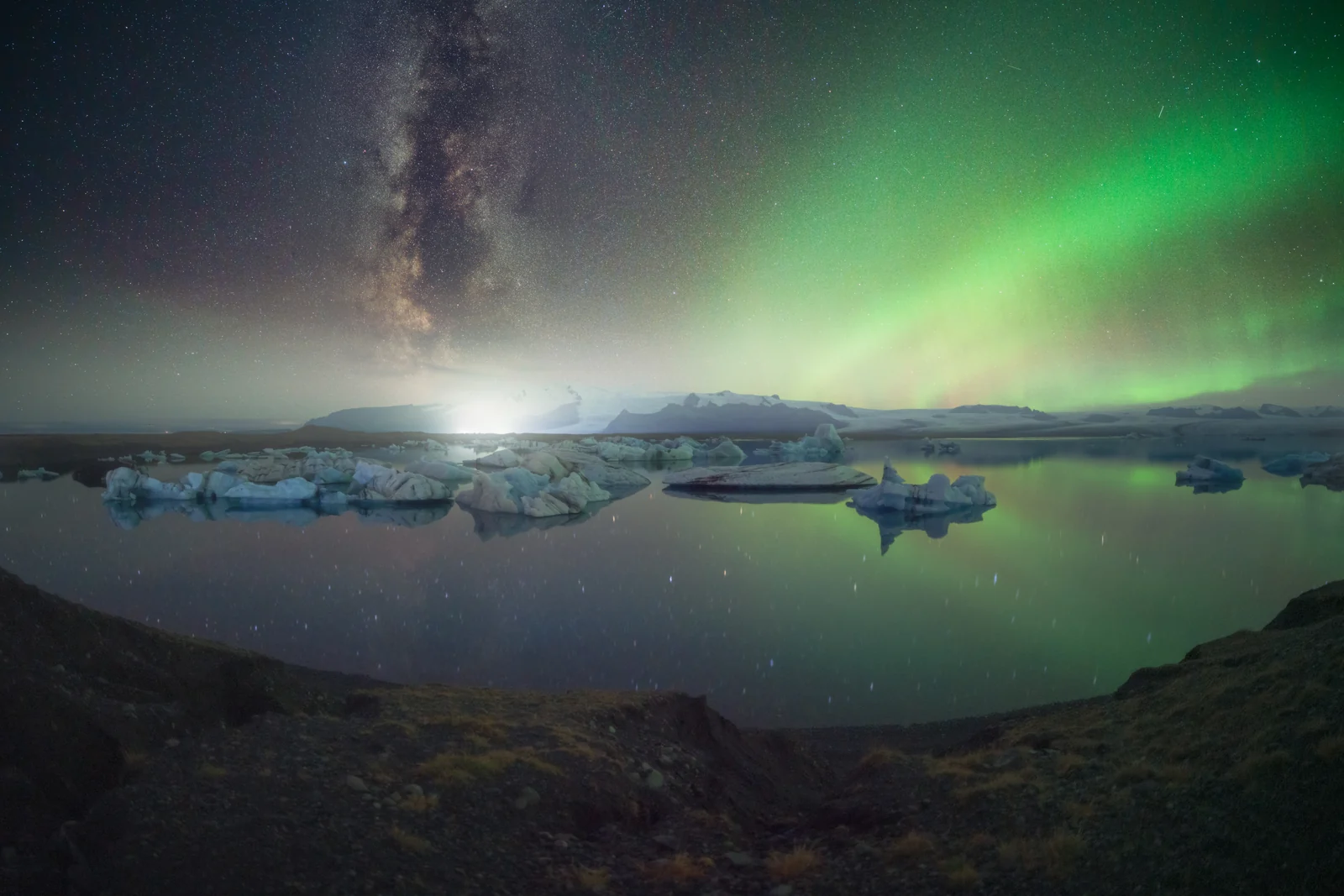
Coma is easy to spot at night: look at how a point of light is rendered, especially towards the corners. A sky that looks sharp when the whole image fits on the screen is not enough for me. I zoom in on the stars near the edges.
In my shots with the 15mm, coma control has been outstanding. It is one of the things that convinced me most about this lens. The edge quality I see in daylight holds up when the subject becomes far less forgiving.
That’s what I see in my own photographs, rather than a laboratory measurement. In practical terms, I can concentrate on framing without assuming that I will have to sacrifice the corners.
The f/1.4 maximum aperture and 180° diagonal field of view are useful features for night-sky photography. They do not mean that the entire Milky Way arch will always fit into a single photograph: its position in the sky and the way you orient the camera still matter.

Rethinking what to expect from a fisheye
Mention a fisheye and people often picture an inexpensive lens bought to play with the effect. If the file has weak edges or obvious coloured fringes, it can be tempting to accept them as part of the deal. That is the expectation this SIGMA challenges.
For me, the real question is how much work a file needs before it becomes a photograph I actually want to keep. Colour fringes can be reduced, but a correction cannot bring back detail the lens never recorded.
This feels like a professional tool, with image quality on a par with the best lenses I use. I’m not choosing it just for an unusual perspective. I know the resulting files will hold up too.
I would not put every competing lens in the same group, though. Price, design and generation matter, and ranking specific models would require testing them under the same conditions. What I can describe is how far this 15mm has raised my expectations of a fisheye.
Big and heavy. The tripod foot helps.
The main drawback is obvious: it weighs a stated 1,360 grams and takes up a fair amount of space. I don’t just throw it in the bag. If I’m facing a long walk, I decide whether to bring it before I leave.
The Arca-Swiss-compatible foot helps, just as it does on the SIGMA 14mm F1.4 Art. I can mount the lens directly on a compatible head and balance the setup without adding a plate beneath the camera.
For panoramas, I find that rotating the setup on the tripod foot gives me a usable approximation when I want to travel lighter. It doesn’t place the rotation axis exactly at what photographers commonly call the nodal point, the position we aim for to reduce parallax.
I do not treat it as a universal replacement for a properly adjusted panoramic rail. When very close objects and distant subjects share the frame, alignment errors become more apparent, and I prefer a dedicated setup. When the scene allows it, this simpler arrangement is enough for me.
Controls that help in the field
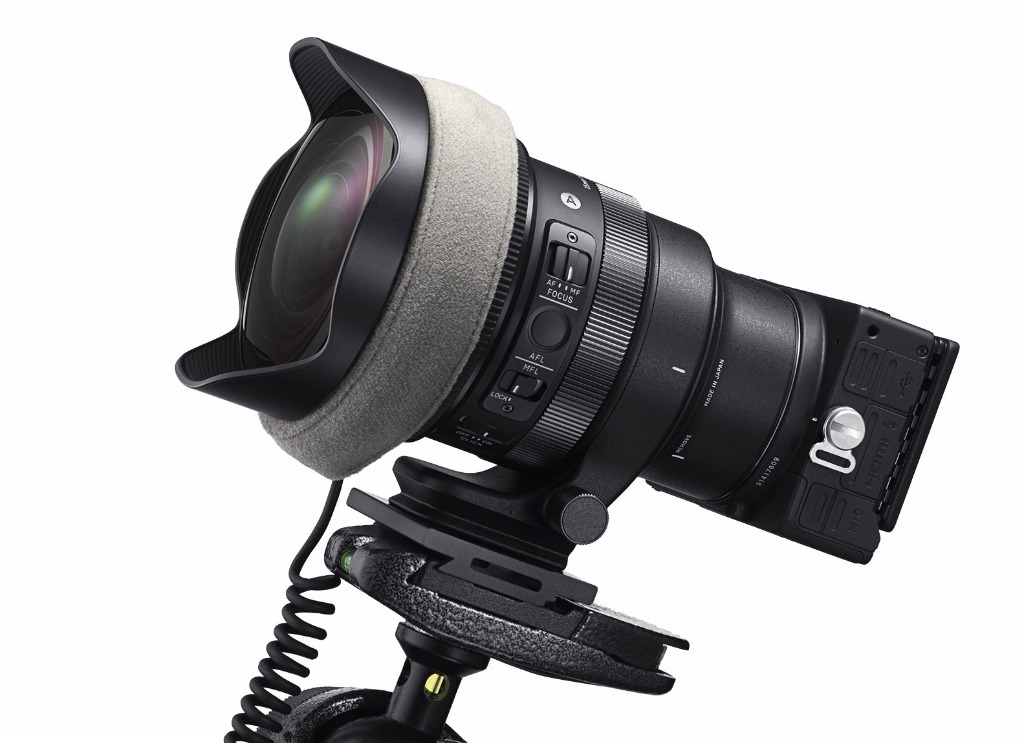
The MFL switch disables the focus ring once focus is set. That helps prevent an accidental focus change in the dark. The Lens Heater Retainer helps keep a dew-heater band in place without letting it slip in front of the lens.
There is also a rear holder for sheet-type filters. The protruding front element has no conventional screw-in filter thread. That is something to account for in your kit, rather than discover when you reach the location.
A compromise I’m happy to make
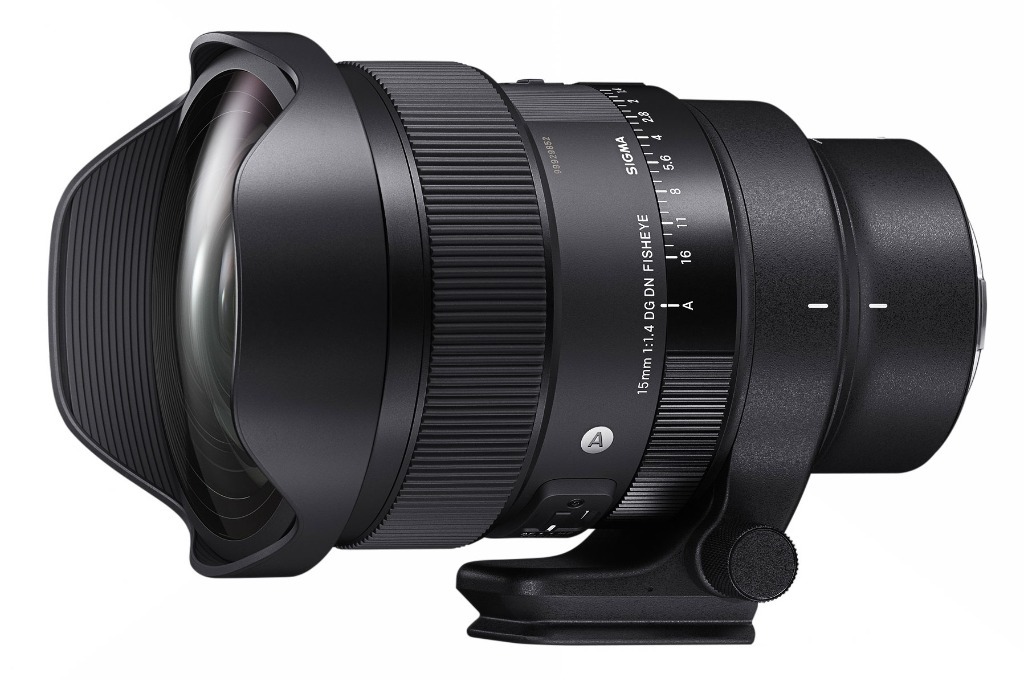
The drawbacks that matter to me are size and weight. There isn’t a long list of optical flaws making me reluctant to use it.
The distortion is a deliberate choice. If I want straight lines to remain straight, I take a rectilinear lens. When I want those curves in the picture, the 15mm delivers the image quality I’m looking for.
That is what I mean by the fisheye that makes you want to use it. Not because the effect is new every time, but because I do not have to choose between that effect and a result I am happy with.
If you are trying to work out which lens makes sense for your photography, we discuss these decisions in my workshops too, starting with the images you want to make.
What convinces me
- Detail that holds up towards the edges in my field images.
- Excellent coma control in my night-sky shots.
- Tripod foot and controls that help with the setup.
The main drawback
- Size and weight: an extra 1,360 grams in the bag.
Official SIGMA specifications and features. SIGMA has supported my professional development. The assessments of image quality and handling here describe my own experience with the lens.